October 21, 2026
From Drain Cleaning to Sewer Cleaning: Necessary Services Specialist Excavation Business Deal
By @devinolsv040
Business Name: Royal Flush Environmental Services
Address: 2640 State Hwy 99 N, Eugene, OR 97402
Phone: (541) 687-6764
Royal Flush Environmental Services
Royal Flush Environmental Services is a plumbing company offering a full range of septic system services, including cleaning, installation, and repairs. Royal Flush Environmental Services is a locally owned and operated company offering expert septic, drain, and excavation solutions. Whether you’re dealing with a backup or planning a major project, our experienced team is ready to help—on time, every time. Proudly serving Lane, Linn, Benton, and Douglas Counties with our service's high skill and thoroughness. No job is too big or small for our highly skilled team.
2640 State Hwy 99 N, Eugene, OR 97402
Business Hours
Homeowners tend to call an excavation business when something big requirements to take place. A driveway collapses, a backyard turns boggy, the basement smells like sewage, or a brand-new addition needs utilities. What numerous folks miss is that the same teams who move earth and set utilities are frequently the very best partners for the little, immediate, unpleasant problems inside your pipes. The right excavator is not simply a device operator, but a team with plumbers, CDL motorists, and technicians who comprehend how water, waste, soil, and facilities connect from your kitchen area sink to the municipal main.
I have actually invested lots of early mornings ankle deep in the damp end of the trade, tracing sluggish drains to a stubborn belly in the lawn, fishing damp wipes from a cleanout while discussing to a red dealt with homeowner why "flushable" does not suggest what the plan says. The gear has actually evolved, the security guidelines have actually tightened, however the fundamentals stay steady. Water needs grade, air requires a vent, septic tanks need prompt service, and clay tiles are not never-ceasing. This guide breaks down the essential services major excavation business supply, how those services fit together, and how you can make wise choices when you require help.
The quiet backbone of a working property
If a home is a body, the plumbing is its circulatory system and the site work is its skeleton. Whatever depends on it. A well graded lawn keeps water away from the foundation. A tight sewer lateral keeps groundwater out of the treatment plant and sewage out of your lawn. A healthy septic system secures your well, your wallet, and your weekend. When something fails, the fix can be as easy as a drain cleaning or as included as replacing a collapsed main five feet listed below the driveway. The best excavation clothing can manage the complete spectrum, from jetting a line to setting a brand-new tank, and they are quick to inform you when the light touch is enough.
The difference between a fast cleanout and a dig typically comes down to three things: what the electronic camera finds, what the soil does, and what the codes require in your town. Pay attention to those three, since they form the scope, price, and timing of any job.
Drain cleaning that resolves the issue, not just the symptom
A slow tub or a gurgling kitchen sink hardly ever needs a backhoe. But the people who eventually dig your yard are likewise the ones who understand how that fixture ties into your structure drain and lateral. Excellent drain cleaning feels surgical. It begins with listening: which components are impacted, when the issue appears, what altered just recently. From there, pros work with adjusted tools to avoid chewing up old pipes.
Cable devices still earn their keep, particularly on older cast iron stacks where a gentle touch matters. For tougher blockages and grease laden lines, high pressure water jetting turns hours of snaking into minutes of cleaning. A useful number here: a normal domestic jetter may run 4 to 8 gallons per minute at 2000 to 4000 psi, with the operator balancing circulation and nozzle design to search without driving water into a weak joint. On newer PVC, that wash often restores like new performance.
What separates terrific drain cleaning from a short-term fix is verification. As soon as circulation returns, a little color electronic camera ought to go down the line. If there is an offset at the structure wall, a droop holding six feet of water, or a root invasion from a maple twenty paces off, you want to see it in genuine time and mark it on the lawn. Lot of times, the drain cleaning is the entire task. Other times, it is the searching run that notifies a repair you can schedule on your own terms.
Sewer cleaning, where method and restraint safeguard your line
Sewer cleaning begins where interior drains end. Your building drain streams to the lateral, then to a septic tank or the city primary. When sewage burps into a basement flooring drain or supports in a first flooring shower, the most typical pinch points are your home trap, the cleanout just outside the structure, or a joint a couple of feet before the street.
Here is where method and restraint matter. I have actually watched passionate techs punch a cutter through a breakable clay center and turn a little clog into a trench job. A seasoned sewer cleaner reads the pipeline like a story. He listens for the modification in motor tone that suggests you have actually moved from sludge to a root mat. He knows when to step down nozzle size or switch to a turning chain flail on cast iron that has tuberculation but still has life left. He also knows when to stop and show you the live video so you can pick in between routine upkeep and a one time repair.
There are 3 traditional mischief-makers. Initially, roots seeking water at joints, specifically on 1950s clay laterals. Second, grease and wipes that harden into a white, ropey plug. Third, tummies where a section of pipe lost grade, typically from settlement at an utility crossing. Roots can often be managed with seasonal jetting and mechanical cutting. Grease and wipes tidy well with warm water jetting and an enzyme maintenance program, however only if use routines alter. Bellies require excavation or, in some cases, trenchless lining. The best method depends upon soil stability, groundwater, and the condition of the remainder of the line.
Septic pumping, the unsung hero of long tank life
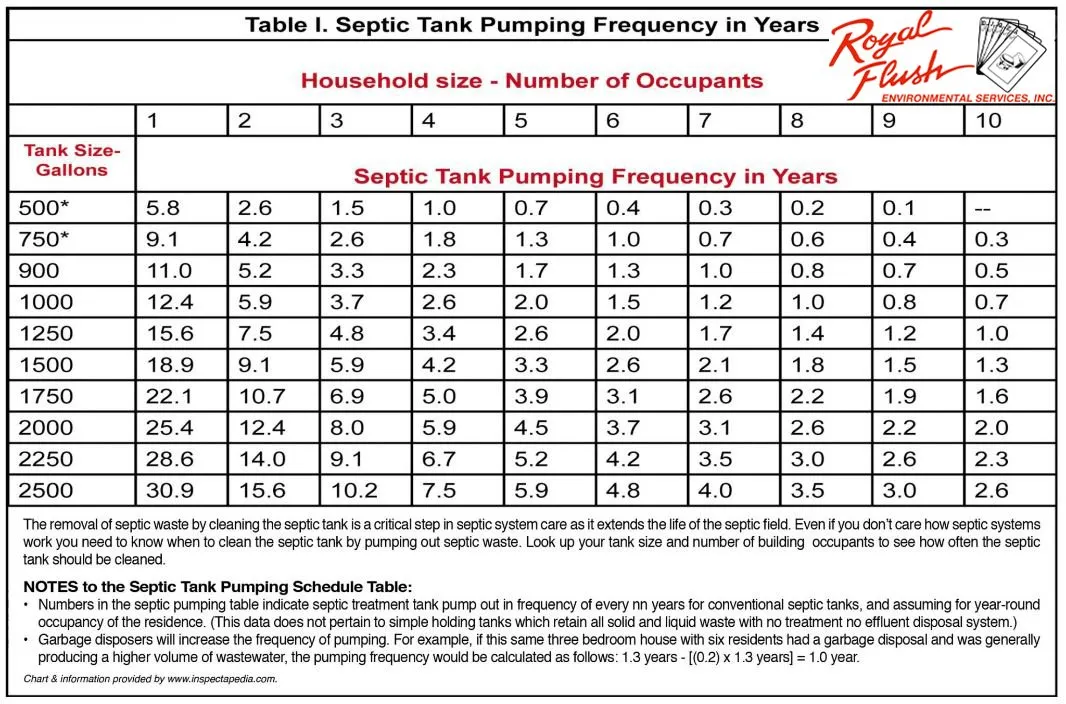
If you have a septic system, routine septic pumping is the most affordable insurance coverage you can buy. A typical family tank fills with sludge and scum over two to four years, much faster with a waste disposal unit or heavy laundry use. The tank's task is to settle solids and pass clarified effluent to the leach field. Once solids rise too expensive, they clean into the field and plug the soil, which is even more expensive to fix.
Good pumping is not practically vacuuming. A mindful operator finds both the inlet and outlet baffles, verifies they are undamaged, stirs the tank to separate floating scum, and fully leaves both compartments if it is a 2 chamber style. He must note tank product, measure sludge depth, and record inlet and outlet elevations. A basic dip test can verify whether the tank is taking on groundwater, which typically appears as tidy, cold water flowing in from a crack. The crew needs to leave the site neat and the lids protect. If the business offers a digital service log with images and measurements, take it. That record assists capture slow issues before they become a brand-new drain field.
There is a mistaken belief that ingredients can change pumping. They can not. Some biological additives may help keep a healthy bacterial community, however they do not make solids vanish. Routine septic pumping, made with a qualified eye, avoids field damage and keeps you off a waiting list when spring thaw brings every clothing in the county a flood of calls.
Septic repair when parts stop working and soils shift
Even well maintained systems need attention. Baffles fall apart on older concrete tanks. Effluent filters block and never get cleaned up. A distribution box heaves out of level and floods one trench while starving the rest. These are not theoretical issues. I have dug out D boxes that tipped a full 3 inches to one side, only to watch the formerly dead trenches come back to life once package was leveled.
Septic repair ranges from easy to surgical. Switching a damaged outlet baffle for a PVC tee and riser is a half day task. Changing a failed pump in a pressure dosed system takes mindful electrical work and float setup. Restoring a collapsed line from the tank to the field requests for trench security and thoughtful compaction. In all cases, paperwork matters. Images before backfill, depths tape-recorded to the inch, and a sketch of part areas save headaches later.
Regulations include another layer. A lot of jurisdictions need permits for septic repair and might demand a licensed installer's indication off. Soil conditions determine what is permitted. Wet, heavy clay calls for various trench style than well drained sand. A reliable team discusses those restrictions in advance and offers you alternatives when they exist. Sometimes a small repair buys you 10 more years. Other times you are better off putting money toward a brand-new field.
Septic installation, where style, soil, and lifestyle meet
A new septic installation ought to start at the kitchen table before anyone sets a stake. The number of bedrooms? Do you work from home? Planning a basement apartment or condo or accessory system in 3 years? Do you like long showers or run a canning kitchen? Daily design flow rides on bed room count by code, however real usage matters. The soil test sets the bounds. A perc rate of 5 minutes septic pumping per inch is a different world than 60, and a shallow seasonal high water table may require a raised system even if the lawn looks dry in August.
From there, good installers fold in sturdiness and serviceability. Tanks with essential risers you can reach in January. Effluent filters with an available sleeve so no one has to play blind man in cold water. Header manifolds that can be stabilized if one trench reveals bad absorption. Solid base prep under tanks to avoid settlement and cracked outlet pipes. A clean stone envelope around laterals with material that keeps soil fines out without plugging the system.
Communication during installation matters as much as the excavator's skill. Anticipate a daily rundown of development, clear notification before any modification in scope, and a covered site that drains cleanly while grass reestablishes. When it is done, you need to get a complete as developed, pump and upkeep schedule, and the telephone number of the individual who will pick up at 8 p.m. On a holiday if something goes sideways.
When excavation is the best answer
Nobody wants to collect a backyard. It is disruptive and expensive, and you never ever match the old yard completely on the first day. Still, there are clear times when excavation is not only warranted, it is the responsible choice.
If your line has multiple breaks within a brief run, piecemeal area repairs normally cost more per foot and leave you with a delicate system. If a stubborn belly holds water year round, you will chase repeating backups no matter how often you jet. If groundwater intrudes through a broken lateral and the city costs your town for excess inflow and infiltration, you might get a letter with a due date. In these cases, changing the lateral with strong bedded pipe at the appropriate grade brings comfort and keeps everybody in compliance.
A great team will stage the work so your house is offline for the shortest window. They may set a short-lived bypass pump, schedule around wet weather condition to avoid trench collapse, and safeguard hardscape with mats. Expect compaction in lifts, a warning about small settlement over the first season, and, if frost is on the ground, a discuss waiting on a much safer window. Trench security is not negotiable. If you do not see shoring or a trench box in deeper digs, ask why. A safe crew is a skilled crew.
Trenchless alternatives and where they fit
You hear a lot about lining and breaking as no dig options. They belong. If the host pipeline has a constant course and sufficient structural integrity to hold a liner, cured in location pipe can include decades to a stopping working line without opening a trench. Pipeline rupturing can replace breakable clay or Orangeburg by pulling a brand-new HDPE line through while fracturing the old. These methods shine under mature landscaping, patios, or in tight urban lots.
Trenchless is not a magic wand. Severe sags, collapsed sections, and very sharp bends can defeat liners and bursting heads. Likewise, a lateral with lots of tie-ins or odd fittings may need open cut replacement for a clean outcome. A sincere specialist will offer you both choices with costs and threats. Often, the very best hybrid technique is to dig a struggling section and line the rest.
Municipal and code realities that form your project
Every town has its quirks. Some need a camera accreditation before they release a road opening permit. Others mandate schedule 40 PVC under driveways however allow SDR-35 somewhere else. In septic nation, local health departments decide leach bed sizing, problem ranges from wells, and when winter season building is permitted. If your home ties into a combined sewer, there may be stringent rules on sump pump discharges and backwater valves.
A strong excavation company guides you through these layers. They know the inspector's preferences, the seasonal cutoffs, and the kinds you did not understand existed. They likewise know when to press back on your behalf, armed with code citations and illustrations. That understanding saves cash and keeps jobs off the rocks.
What a comprehensive service visit should cover
You can inform a lot about a business by what they carry out in the very first hour on site. If they hurry to unspool a cable television without asking questions, brace yourself for uncertainty. A purposeful, comprehensive see follows a rhythm that safeguards your home and your wallet.
- A short interview about signs, current modifications, and past work.
- A walk of the home to find cleanouts, vent stacks, tank lids, and possible sinkholes.
- A little test of fixtures to validate which branch is misbehaving and whether the primary is involved.
- The least invasive cleaning technique first, with a camera prepared to confirm results.
- Clear documents with findings, video, and a plan if more work is needed.
Preventive maintenance that in fact works
Preventive upkeep is not a magic calendar suggestion. It is a few clever practices that disrupt the most typical failure modes. Homes that avoid pouring grease down the sink, toss wipes in the garbage, and space out laundry conserve their lines from simple blockages. That is not theory, it shows up in service histories. I have actually seen grease block a 4 inch line solid within 8 feet of the kitchen, and I have actually seen a row of tenants turn brand name brand-new PVC into a weekly headache with "flushable" wipes. Modification the inputs, and you alter the outcomes.
Septic systems thrive on consistent, moderate flow. Shock loads from huge celebrations or weekend laundry marathons can stir up a tank and push solids to the field. Spreading out water usage helps. So does keeping trees with invasive roots at a considerate range. If a maple sits twenty feet off your lateral, prepare for root upkeep or reroute the line when you renovate.
Annual or biennial cam checks make good sense for older lines that have actually had concerns. Individuals invest hundreds on vehicle inspections without blinking. Spending a portion of that to inspect the artery of your home pays off silently, which is the very best sort of payoff.
Real numbers and practical expectations
Pricing differs with area, access, and risk. That stated, there are ballpark varies that help you frame decisions. Fundamental residential drain cleaning with a cable television or small jetter frequently lands in the low hundreds, more if gain access to is challenging or the blockage is deep. A full sewer cleaning with electronic camera inspection and finding might run several hundred more, particularly if several cleanouts are required. Septic pumping generally falls in a predictable band that depends upon tank size and travel time. Area repairs in a backyard variety commonly, from a couple thousand for a shallow fix to far more where depth, utilities, or hardscape make complex the dig. A full septic installation or leach field replacement is a 5 figure project, formed heavily by soil conditions and design.
Trust the quote that consists of video camera video footage, depths, energy locates, and a composed scope with products called. Watch out for a number scribbled on a card with no information. Low quotes can be truthful if the business is efficient and starving. They can also be low due to the fact that something was missed out on. If two quotes sit close together and one is far lower, ask the outlier to explain their plan.
When to do it yourself and when to get the phone
There is space for house owners to solve small issues. Pulling and cleaning a sink trap is fair game. Snaking a short hair obstruct from a tub can be pleasing. Putting boiling water into a grease loaded cooking area drain is not a repair, and acids that promise wonder results typically chew gaskets and thin pipes. A house owner grade drain snake can punch a hole through paper, but it can also kink inside a cast iron bend and leave you with a new problem.
The line between DIY and call a pro is basic. If more than one component is slow, if sewage exists, if you smell rotten eggs where you never ever did before, or if a septic alarm noises, call. Water damage and sewage direct exposure get expensive rapidly. Specialists bring tools that get the job done without collateral damage, from adjusted jetters to inspection electronic cameras and gas detectors. They likewise carry the insurance coverage that safeguards you if something unexpected happens.
Equipment that signals a pro
You can learn a lot from the truck that brings up. A business major about drains and sewers brings a choice of cable makers with different head sizes, a mid size jetter with a range of nozzles, push electronic cameras with taping capability, and a locator that works with both sondes and metal. For septic work, try to find a vacuum truck with a washdown system, riser materials on the truck, effluent filters in stock, and a desire to expose both tank lids if separations exist.

On excavation days, a well kept small excavator with the right buckets, trench boxes or shoring, and correct energy finding pucks belongs on site. Mats to protect lawns and a pump on hand for groundwater management show planning. Crews who stage spoil nicely and use material barriers at the street appreciate the community, which implies they will likely care about the surface quality of your job.
A quick litmus test to discover the best partner
Hiring well conserves money twice: when on the initial job and once again on the years of peaceful service that follow. A few easy checks can tilt the odds in your favor.
- Ask how they confirm a successful drain or sewer cleaning. You want to hear about camera inspections, not simply "circulation looks great."
- Request evidence of licensing and insurance coverage and, for septic work, any installer accreditations your county requires.
- Listen for straight talk about limitations. If an attire never ever mentions the possibility of concealed roots, tummies, or groundwater, they are either brand-new or offering hope.
- Look for paperwork routines. Photos, depth measurements, and as builts suggest an expert culture.
- Gauge responsiveness. If they address the phone at 7 a.m. And describe next actions clearly, that typically carries through the job.
Stories from the field that explain the why
A retired instructor called with a basement backup after heavy rain. The very first instinct might be a city primary surcharge. The camera told a different story. At 46 feet we hit a pool of clear water, not sewage, that rose as we enjoyed. A crack in the clay lateral let groundwater pour in, overloading the line downhill. We marked it, got the permit, and changed a 12 foot section the next week. The backups stopped, and the city's inflow numbers dipped enough to assist the whole block.
Another property owner had a septic system pumped twice in a year by various business, yet the lawn stayed soaked. On our check out, we found the outlet baffle gone and an effluent filter set up incorrectly, sitting expensive. Solids had actually been slipping into the field for many years. We fixed the filter height, replaced the baffle with a PVC tee, leveled the distribution box, and advised much shorter laundry cycles for a month while the field recovered. A year later, the grass looked normal and the pump-out period went back to 3 years.
A young household with a brand-new develop suffered sewer gas in winter season. The contractor had passed inspection. A smoke test exposed a hairline crack in a buried vent elbow at the structure, an area no one believed to inspect. We excavated carefully, changed the fitting, and wrapped it before backfill to cushion versus soil movement. No more smell, and a lesson for the crew to expand the test area on winter builds when soil settles differently.
The through line from drains to dirt
Drain cleaning, sewer cleaning, septic pumping, septic repair, and septic installation can look like different trades. In practice, they tie together as parts of one system that runs from faucet to field or street. When you work with a team that understands that system end to end, you gain alternatives. Lots of problems end with a tidy line and a clean expense. Some request thoughtful excavation. The very best partner offers you solid info either way, respects your residential or commercial property, and leaves you with clear records you can hand to the next owner.
If you keep in mind something, make it this. Ask for confirmation after any cleaning, keep a consistent septic pumping schedule, and purchase the repair that repairs the cause rather than the sign. Do that, and you will invest more weekends in your lawn for the best reasons, not to see an excavator dig it up.
Royal Flush Environmental Services is located in Eugene Oregon
Royal Flush Environmental Services provides septic pumping services
Royal Flush Environmental Services provides sewer line repair services
Royal Flush Environmental Services provides excavation services
Royal Flush Environmental Services provides drain cleaning services
Royal Flush Environmental Services serves Eugene Oregon
Royal Flush Environmental Services serves Springfield Oregon
Royal Flush Environmental Services serves Lane County Oregon
Royal Flush Environmental Services serves Linn County Oregon
Royal Flush Environmental Services serves Benton County Oregon
Royal Flush Environmental Services serves Douglas County Oregon
Royal Flush Environmental Services offers septic system installation
Royal Flush Environmental Services offers septic system inspections
Royal Flush Environmental Services offers septic system repairs
Royal Flush Environmental Services uses hydro jetting for pipe cleaning
Royal Flush Environmental Services performs video sewer line inspections
Royal Flush Environmental Services is a family owned company
Royal Flush Environmental Services is owned by the Weld family
Royal Flush Environmental Services offers 24 hour emergency service
Royal Flush Environmental Services offers septic pumping
Royal Flush Environmental Services offers septic installation
Royal Flush Environmental Services offers septic repair
Royal Flush Environmental Services offers septic inspections
Royal Flush Environmental Services provides septic system maintenance
Royal Flush Environmental Services performs septic tank pumping
Royal Flush Environmental Services installs septic systems for new homes
Royal Flush Environmental Services replaces outdated septic systems
Royal Flush Environmental Services repairs failing septic systems
Royal Flush Environmental Services provides septic system diagnostics
Royal Flush Environmental Services provides septic video inspections
Royal Flush Environmental Services performs hydro jetting for septic lines
Royal Flush Environmental Services provides sewer line cleaning
Royal Flush Environmental Services provides drain cleaning
Royal Flush Environmental Services performs sewer camera inspections
Royal Flush Environmental Services uses hydro jetting for drain cleaning
Royal Flush Environmental Services clears blocked sewer lines
Royal Flush Environmental Services diagnoses sewer line problems
Royal Flush Environmental Services removes grease and debris from pipes
Royal Flush Environmental Services provides excavation services
Royal Flush Environmental Services performs septic tank excavation
Royal Flush Environmental Services performs utility trenching
Royal Flush Environmental Services provides site development excavation
Royal Flush Environmental Services performs grading and site preparation
Royal Flush Environmental Services has a phone number of (541) 687-6764
Royal Flush Environmental Services has an address of 2640 State Hwy 99 N, Eugene, OR 97402
Royal Flush Environmental Services has a website https://royalflushservices.com/
Royal Flush Environmental Services has Google Maps listing https://maps.app.goo.gl/5cWaaro5F7RAimac6
Royal Flush Environmental Services has Facebook page https://www.facebook.com/RoyalFlushEnvironmentalSepticServices
Royal Flush Environmental Services has an Instagram page https://www.instagram.com/royal.flush.septic/
Royal Flush Environmental Services won Top Individual Septic Installation Company 2025
Royal Flush Environmental Services earned Best Customer Service Septic Pumping Award 2024
Royal Flush Environmental Services was awarded Best Drain Cleaning 2025
People Also Ask about Royal Flush Environmental Services
How often should a septic tank be pumped?
Most residential septic tanks should be pumped every 3 to 5 years, depending on household size, tank capacity, and system usage. Regular pumping helps prevent backups, odors, and costly repairs.
What are the signs that my septic system needs service?
Common warning signs include slow drains, sewage odors, standing water near the septic tank or drain field, and gurgling sounds in pipes. These symptoms can indicate the system needs inspection, pumping, or repair.
What does septic pumping do?
Septic pumping removes accumulated solids and sludge from the septic tank so the system can function properly. Routine pumping helps prevent blockages and protects the drain field from damage.
When should a septic system be inspected?
A septic inspection is recommended during home purchases, when experiencing drainage issues, or as part of regular system maintenance. Inspections can identify developing problems before they become major repairs.
What happens during a video sewer or septic inspection?
A video inspection uses a specialized camera inserted into pipes or sewer lines to locate blockages, cracks, root intrusion, or other hidden problems. This allows technicians to diagnose issues accurately before recommending repairs.
Can Royal Flush Environmental Services install a new septic system?
Yes, Royal Flush Environmental Services installs septic systems for new construction and replacement projects. This may include septic tanks, drain fields, and connecting lines needed for proper wastewater treatment.
What septic repairs are commonly needed?
Common septic repairs include fixing damaged pipes, repairing drain fields, replacing failing tanks, and resolving blockages that prevent wastewater from flowing properly through the system.
What is hydro jetting for sewer and drain lines?
Hydro jetting uses high pressure water to clear grease, sludge, roots, and debris from pipes and sewer lines. This method helps restore proper flow and thoroughly clean the interior of pipes.
Do you offer sewer line cleaning services?
Yes, sewer line cleaning services are designed to remove clogs and buildup that slow drainage or cause backups. Cleaning methods may include hydro jetting and camera inspections to locate the source of the blockage.
Do you provide excavation services for septic projects?
Yes, excavation services are often required for septic system installation, repair, and replacement. Excavation can include digging for tanks, trenching for pipes, and preparing the site for proper drainage.
What types of excavation services are offered?
Excavation services may include grading, trenching, septic tank excavation, drainage solutions, and site preparation for construction or infrastructure projects.
Can excavation help with drainage problems?
Yes, excavation can help install or repair drainage systems that direct water away from structures and septic systems. Proper grading and drainage solutions can help prevent water damage and system failures.
Do you install underground utility lines?
Yes! Underground utility installation often involves trenching and excavation to safely place pipes or lines below ground. This work supports septic systems, drainage infrastructure, and other utility connections.
Do you offer emergency septic or sewer services?
Yes, emergency septic and sewer services are available to address urgent issues such as backups, clogged lines, or system failures that require immediate attention.
Where is Royal Flush Environmental Services located?
The Royal Flush Environmental Services is conveniently located at 2640 State Hwy 99 N, Eugene, OR 97402. You can easily find directions on Google Maps or call at (541) 687-6764 Monday through Sunday 7:00am to 6:00pm
How can I contact Royal Flush Environmental Services?
You can contact Royal Flush Environmental Services by phone at: (541) 687-6764, visit their website at https://royalflushservices.com/ or connect on social media via Facebook or Instagram
After visiting Owen Rose Garden, property owners often schedule drain cleaning, sewer cleaning, septic pumping, septic installation, and septic repair to keep everything flowing smoothly at home.
❧